What Is Light Tackle Fishing? An Inshore Angler's Guide


 Published: Nov 26, 2026
 7 min read
Summary
A plain-language look at light tackle fishing: what it means, how it compares to heavier setups, and why it suits inshore redfish, snook and black drum. Written for anglers still researching a Crystal River charter.
What Light Tackle Fishing Actually Means
Light tackle fishing is a way of fishing with lighter rods, lighter line and smaller reels than the gear you would use for big, heavy-hitting fish. The idea is to match your equipment to the fish in front of you instead of overpowering it. When the gear is balanced against the fish, every head shake and every run comes through to your hands.
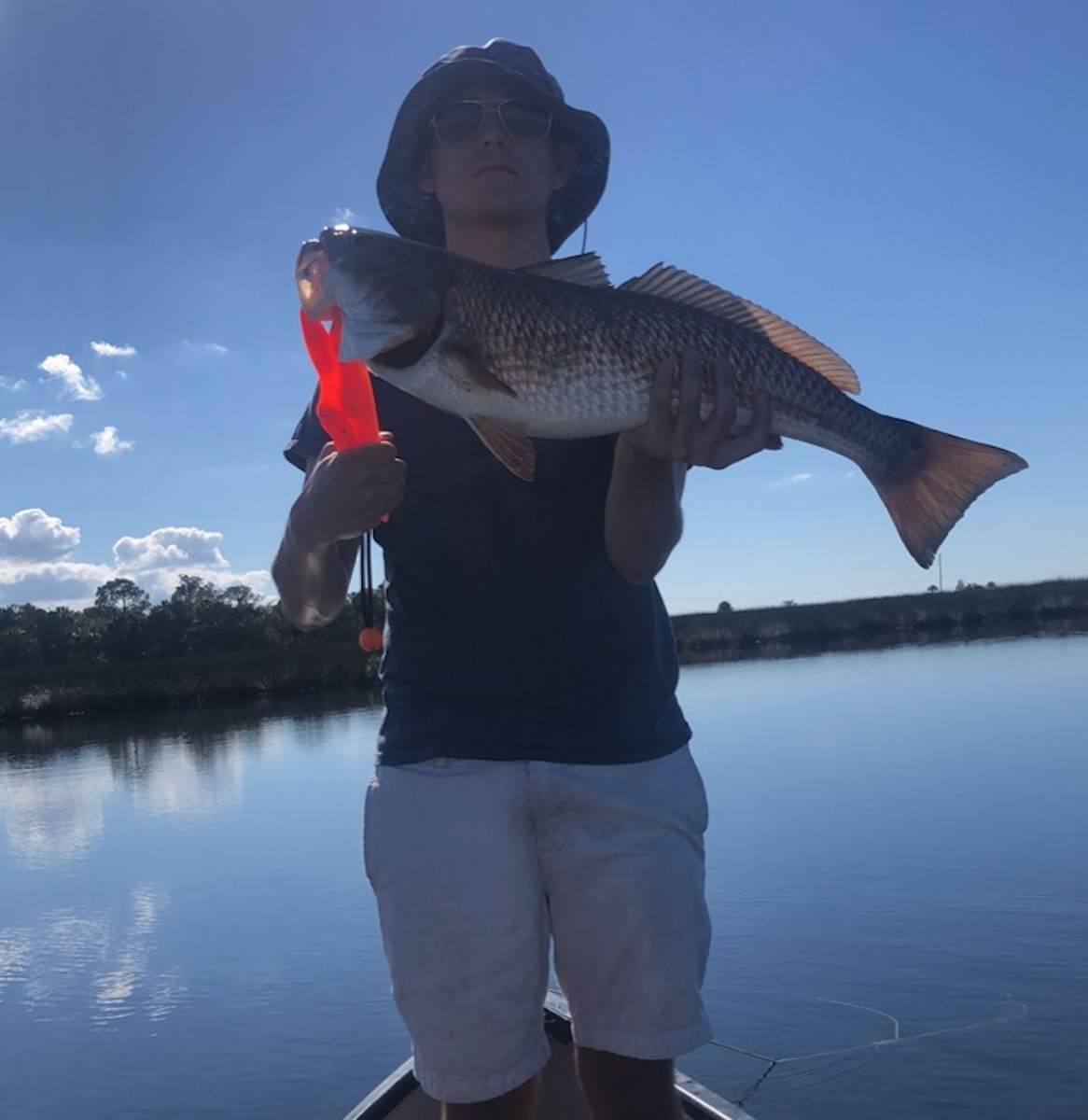
That is the real appeal. A fish that might feel routine on heavy gear turns into a proper fight on a lighter setup, and you earn it with technique rather than muscle. Captain Walter Schmidt of Lone Eagle Charters in Crystal River, Florida, builds his trips around this style, and it is the main reason anglers who like an active, hands-on day tend to look at his charters.
Light tackle is not about making fishing harder for the sake of it. It is about being a better match for the water and the fish, which is why it has become a go-to approach for inshore work.
How It Differs From Heavier Setups
Heavier tackle is built to haul large fish out of deep water or to horse something away from structure. The rods are stiffer, the line is thicker, and the whole outfit is designed to win by force. That works when the fish is big and the water is deep, but it comes with a cost in feel and finesse.
Light tackle flips that around. The rod flexes more, the line is thinner, and the reel is smaller and easier to handle all day. Here is what that changes in practice:
- You feel bites sooner, because a lighter rod and line carry more of what the fish is doing.
- Casts land softer and more accurately, which matters when a fish is spooky.
- The fight lasts longer and takes more skill, since you cannot just crank and drag.
- The outfit is lighter in your hands, so a full morning on the water is less tiring.
The trade-off is that you have to fish with more care. Drag settings, rod angle and patience all matter more, because the gear gives you less margin for sloppy handling. That is exactly where a guide earns their place.
Why It Suits Inshore Fishing
Inshore fishing happens in shallow, close-in water: flats, creeks, channels and the edges of mangroves. Fish in these spots are often within a short cast of the boat, and they can be wary. Heavy line and big lures can spook them before you ever get a bite. Lighter gear lets you present a bait or lure quietly and naturally.
The water around Crystal River is a good example of why this matters. It sits on Florida's Gulf Coast, with a network of backwaters on one side and the open Gulf of Mexico on the other. You can work shallow flats in one stretch and deeper channels in another, and a light setup handles both without feeling out of place.
Shallow water also changes how a fish fights. With little room to run vertically, a hooked fish tends to make hard, fast dashes sideways, and that is where a lighter outfit makes the whole fight feel more alive.
The Fish You Can Target: Redfish, Snook and Black Drum
Three species anchor the fishing at Lone Eagle Charters: redfish, snook and black drum. All three are inshore fish, and all three suit light tackle well. Each one fights a little differently, which keeps a day on the water interesting.
Redfish are a favorite for anglers who like a steady, strong pull. They are found around shallow structure and edges, and a light rod lets you enjoy every bit of that pull. Snook are known for their power and their habit of heading for cover once hooked, so handling them on lighter gear takes focus and a steady hand. Black drum are sturdy, heavy-bodied fish, and on a light outfit they turn into a long, satisfying tug of war.
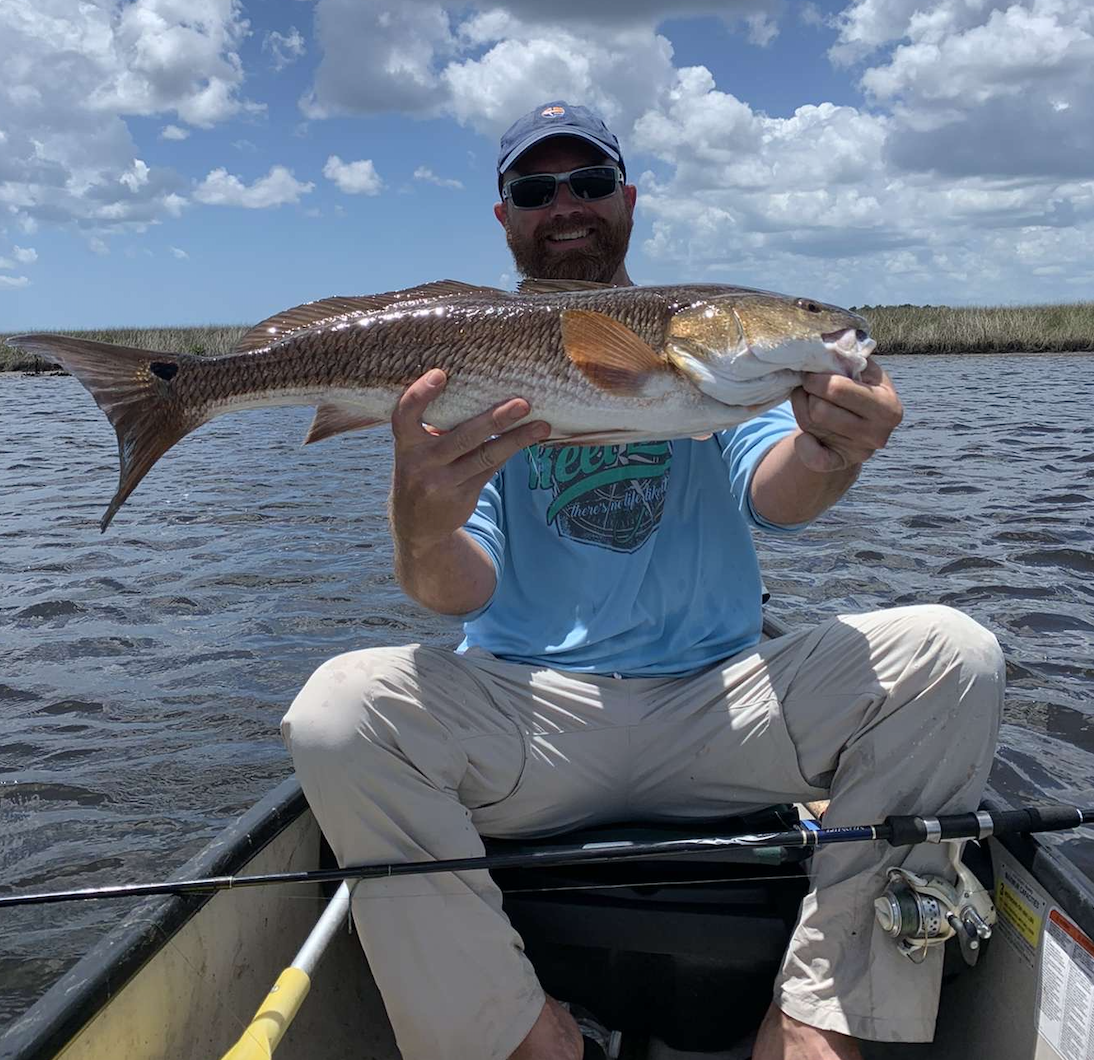
Because these fish live in the same kind of shallow water, a single trip can put you on more than one of them. That variety is part of what makes inshore light tackle fishing such a good fit for people who want more than one kind of fight in a day.
Who Light Tackle Is For
You do not need to be an expert to enjoy it. Captain Walter guides seasoned anglers and beginners alike, and a good guide sets the drag, shows you the cast and talks you through the fight as it happens. If you are new, that guidance is what turns a lighter outfit from intimidating into fun.
If you already fish and want a more skillful, more responsive style, light tackle gives you plenty to work on. The gear rewards good habits: a smooth cast, steady pressure, and patience when a fish makes a run.
One option worth knowing about is the 4 Hour Private Crystal River Inshore Fishing Charter for Skilled Anglers. It is a private inshore trip aimed at people who already have some experience and want to put it to use in the shallows around Crystal River.
Planning Your First Light Tackle Trip
If you are still researching, the best next step is to think about what kind of day you want. Do you want a relaxed outing, or do you want to be actively fishing and fighting fish the whole time? Light tackle suits the second answer best, but a good captain can pace the day to match your comfort and skill level.
It also helps to ask questions before you book. Ask what the trip includes, how the day will be run, and what you should bring. Lone Eagle Charters is based in Crystal River, so you can reach out directly to talk through your plans and find out which trip fits.
Light tackle fishing is simple to describe and hard to put down once you try it. Lighter gear, closer contact with the fish, and a shallow-water setting that brings redfish, snook and black drum within reach all add up to a style that makes you a more attentive angler.